Museo Archeologico di Alife — Mosaici e Affresco Pompeiano
L'unico museo della provincia di Caserta che racconta il territorio del Matese-Casertano dalla preistoria a Roma: Sanniti, colonia augustea, necropoli del VII–IV sec. a.C., mosaici geometrici e frammento pompeiano
Audio articoloAscolta questo articolo
0:00
—
Il Museo Archeologico dell'Antica Allifae è l'unico della provincia di Caserta che si candida a raccontare la storia del territorio del Matese-Casertano, dall'età preistorica fino all'epoca romana. Un luogo dove reperti millenari dialogano con il visitatore, svelando i segreti delle popolazioni che abitarono questa terra prima dell'avvento di Roma.
2004: il Museo Apre — l'Unico della Provincia sul Matese
Inaugurato nel 2004 all'interno di un edificio comunale nei pressi del centro storico di Alife, il museo nasce con l'obiettivo di illustrare la storia e la cultura delle popolazioni che abitarono l'antichità il territorio del Matese-Casertano, originariamente parte del Sannio e poi inserito nella regio I augustea (Latium et Campania).
La sede museale è ospitata in una struttura moderna, collocata nei pressi del centro cittadino e delle antiche mura romane. Il museo custodisce nel sottosuolo i resti della colonia romana di Allifae.
L'Allestimento: Reperti per Contesto — Armi, Ceramiche, Sculture
Le collezioni sono organizzate seguendo un criterio cronologico e geografico, con reperti provenienti da siti archeologici come Monte Cila, Roccavecchia di Pratella e diverse necropoli locali.
L'allestimento consiste nell'esposizione, in un'ampia sala, di numerosi reperti distinti per contesti cronologici e/o territoriali:
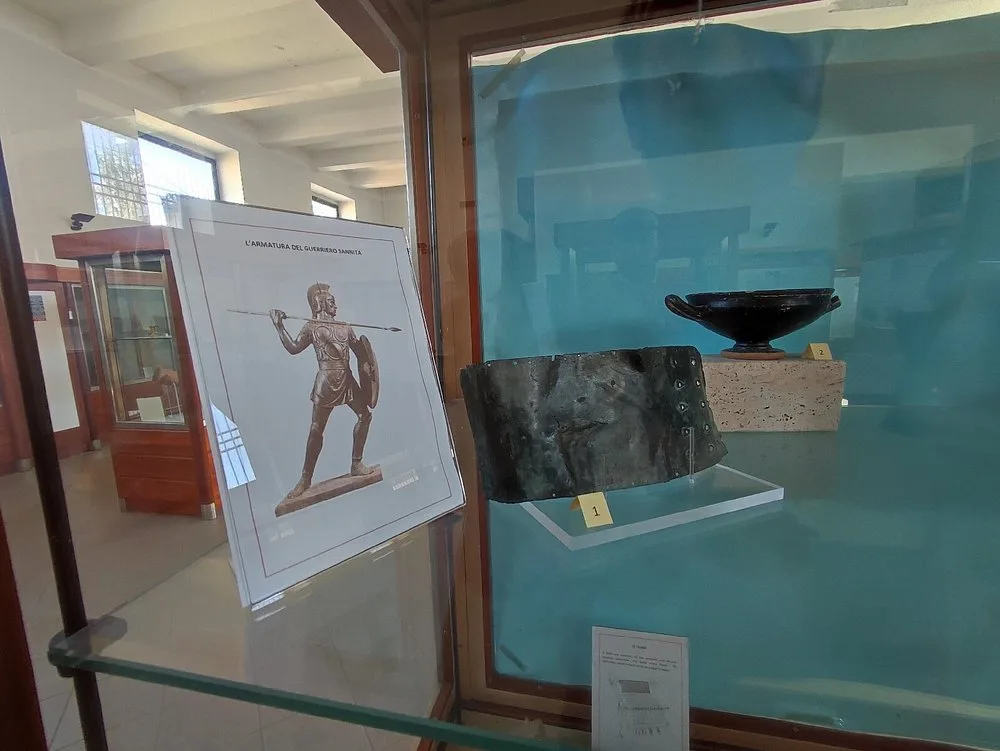
Armi e strumenti litici
Vasellame ceramico e vitreo
Oggetti in metallo
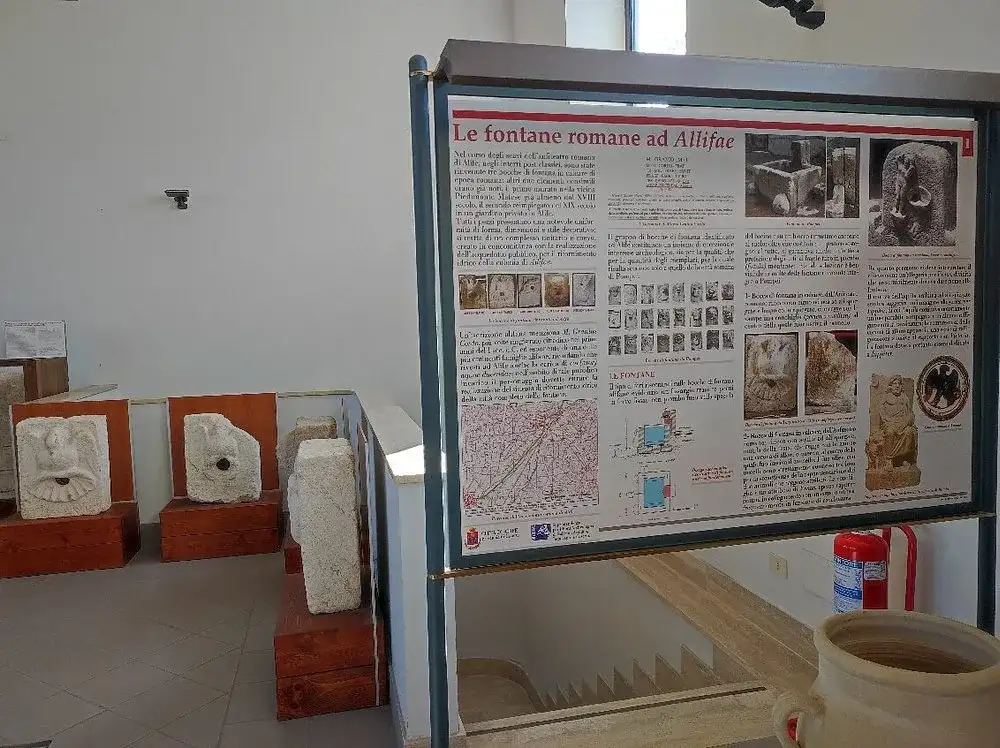
Sculture e iscrizioni
Decorazioni pittoriche
La Sezione Sannitica: Cinte Ciclopiche del IV–III sec. a.C.
Il museo raccoglie le testimonianze relative alle varie fasi di occupazione umana nella zona, in particolare quelle relative alla preistoria ed all'epoca preromana.
Chi furono i Sanniti?
La parte centrale della valle del Volturno fu da sempre una via naturale di comunicazione. I nuclei principali delle città sannitiche privilegiarono le alture:
Rufrae (Presenzano)
Callifae (Roccavecchia di Pratella)
Trebula (Pontelatone)
Cubulteria (Dragoni)
Monte Cila (sopra Piedimonte Matese)
Queste città erano dotate di straordinarie e ciclopiche cinte murarie e monumentali santuari e tempi-teatro (IV-III secolo a.C.). Anche Alifae sannitica sorgeva distante dall'attuale centro di pianura, su un colle ancora non identificato con certezza.
"A lungo in lotta contro Roma, l'antica e fiera Allifae fu distrutta durante le guerre sannitiche tra la metà del IV e l'inizio del III secolo a.C., sprofondando nell'oblio per centinaia di anni."
— OpenCampania, Museo Archeologico dell'antica Allifae
La Sezione Romana: Mosaici e Affresco Pompeiano del I sec. a.C.
Le mura romane (I secolo a.C.) e l'impianto regolare a "castro" fanno della città attuale un'imperdibile estensione del museo stesso. Frammenti di pavimenti e di affreschi dalle case e di sculture del teatro e delle fontane della città raccontano gli episodi più recenti dell'evo antico del territorio.
I Mosaici Pavimentali
Di particolare interesse è la sezione dedicata ai mosaici pavimentali, con motivi geometrici in bianco e nero, databili tra il I secolo a.C. e il I secolo d.C., provenienti da abitazioni della colonia romana.
Questi mosaici, insieme ai reperti emersi dalle più recenti campagne di scavo nel centro urbano e nelle aree limitrofe, costituiscono il nucleo centrale della parte dedicata alla fase romana di Allifae.
Reperti dell'età romana esposti nel museo
L'Affresco in IV Stile Pompeiano
Tra i materiali esposti spicca un frammento di affresco in IV stile pompeiano, rinvenuto in una domus lungo il decumano massimo dell'antica città, scoperto nei primi anni Novanta. Questo reperto testimonia la ricchezza e il livello culturale raggiunto dalla città romana.
Alife Museo Diffuso: l'Impianto Romano nelle Strade di Oggi
Il museo non è un elemento isolato, ma il centro di un sistema territoriale più ampio. La moderna città di Alife conserva gran parte dello schema urbanistico dell'Allifae romana:
Pianta rettangolare (540 x 405 metri) ad angoli stondati
Orientamento da nord-ovest a sud-est
Vie interne organizzate ortogonalmente su due assi principali
Isolati di grandezza costante (50 metri)
Le geometrie regolari della città si proiettavano sul territorio attraverso la suddivisione della centuriazione.
Le Necropoli Sannitiche (VII–IV sec. a.C.): Vita e Costumi
Completano il percorso museale alcuni significativi reperti da recenti scavi dalle necropoli dei centri sanniti (VII-IV secolo a.C.) e reperti preistorici. Questi materiali permettono di ricostruire la vita, i costumi e le credenze delle popolazioni che abitarono il territorio prima della romanizzazione.
Materiali dalla necropoli sannitica
Il Progetto di Ampliamento: una Rete di Musei Territoriali
È prevista una risistemazione degli importanti documenti, soprattutto epigrafici e scultorei di età romana, ma anche sannitica e medioevale, conservati nell'ex convento di San Domenico a Piedimonte Matese.
L'istituzione del museo ad Alife rientra in un piano globale per la creazione di una rete di musei territoriali, intesi a valorizzare il patrimonio storico-archeologico ed a rivitalizzare significativi centri della Campania interna.
Come Visitare: Piazza XIX Ottobre, Orari, Biglietto €5
Il Museo Archeologico dell'Antica Allifae si trova in Piazza XIX Ottobre, nei pressi del centro storico di Alife.
Orari di apertura:
Tutti i giorni: 8:30 - 19:30
Chiuso: lunedì; 1 gennaio; 1 maggio; 25 dicembre
Biglietti: €5,00 intero · €2,00 ridotto (18-25 anni UE) · Gratuito under 18 e aventi diritto
Per informazioni e prenotazioni visite guidate, consulta il sito ufficiale MiC.
Domande Frequenti sul Museo Archeologico di Alife
Il museo si trova in Piazza XIX Ottobre, nel centro storico di Alife. È aperto tutti i giorni dalle 8:30 alle 19:30, tranne il lunedì e nei giorni festivi del 1 gennaio, 1 maggio e 25 dicembre. Biglietto intero €5, ridotto €2 (18–25 anni UE), gratuito under 18. Dati soggetti a variazione: verificare sul sito ufficiale MiC prima della visita.
Il museo espone reperti ordinati cronologicamente: armi litiche e ceramiche preistoriche, materiali delle necropoli sannitiche (VII–IV sec. a.C.) da siti come Monte Cila e Roccavecchia, mosaici pavimentali geometrici bianco-neri del I sec. a.C., sculture e iscrizioni romane, e un eccezionale frammento di affresco in IV stile pompeiano rinvenuto in una domus lungo il decumano massimo. Il sottosuolo del museo custodisce resti della colonia romana di Allifae.
I Sanniti erano la popolazione italica che occupava il territorio del Matese-Casertano prima della romanizzazione. Costruivano le loro città in altura — con ciclopiche cinte murarie e santuari monumentali — e furono a lungo in guerra con Roma (Guerre Sannitiche, IV–III sec. a.C.). Alife sannitica sorgeva su un colle non ancora identificato con certezza. I reperti del museo documentano città come Rufrae (Presenzano), Callifae (Pratella), Trebula (Pontelatone), Cubulteria (Dragoni) e Monte Cila.
Il frammento di affresco in IV stile pompeiano è stato rinvenuto nei primi anni Novanta in una domus lungo il decumano massimo dell'antica Allifae. Il IV stile pompeiano (50–79 d.C.) è caratteristico delle abitazioni aristocratiche della prima età imperiale e testimonia il livello di ricchezza e di integrazione culturale raggiunto dalla colonia romana di Alife. È uno dei pochi esemplari noti in questa area della Campania interna.
The Archaeological Museum of Ancient Allifae is the only museum in the province of Caserta dedicated to telling the history of the Matese-Caserta area, from prehistoric times through the Roman era. A place where millennia-old artefacts speak to visitors, revealing the secrets of the peoples who inhabited this land before the arrival of Rome.
2004: the Museum Opens — the Only One in the Province on the Matese
Inaugurated in 2004 inside a municipal building near the historic centre of Alife, the museum was established to illustrate the history and culture of the peoples who inhabited the Matese-Caserta territory in antiquity — originally part of Samnium and later incorporated into Augustan Regio I (Latium et Campania).
The museum is housed in a modern structure located near the town centre and the ancient Roman walls. Beneath its floors lie the remains of the Roman colony of Allifae.
The Exhibition: Artefacts by Context — Weapons, Ceramics, Sculptures
The collections are organised following a chronological and geographical criterion, with finds from archaeological sites such as Monte Cila, Roccavecchia di Pratella and various local necropolises.
The exhibition displays, in a large hall, numerous artefacts grouped by chronological and/or territorial contexts:
Weapons and lithic tools
Ceramic and glass vessels
Metal objects
Sculptures and inscriptions
Painted decorations
The Samnite Section: Cyclopean Walls of the 4th–3rd Century BC
The museum gathers evidence relating to the various phases of human occupation in the area, particularly those relating to prehistory and the pre-Roman era.
Who Were the Samnites?
The central part of the Volturno valley was always a natural communication route. The main Samnite settlements favoured elevated positions:
Rufrae (Presenzano)
Callifae (Roccavecchia di Pratella)
Trebula (Pontelatone)
Cubulteria (Dragoni)
Monte Cila (above Piedimonte Matese)
These cities were equipped with extraordinary cyclopean defensive walls and monumental sanctuaries and theatre-temples (4th–3rd century BC). Samnite Alifae itself stood at a distance from the current lowland centre, on a hill not yet identified with certainty.
"Long in conflict with Rome, the ancient and proud Allifae was destroyed during the Samnite Wars between the mid-4th and early 3rd century BC, sinking into oblivion for hundreds of years."
— OpenCampania, Archaeological Museum of Ancient Allifae
The Roman Section: Mosaics and Pompeian Fresco of the 1st Century BC
The Roman walls (1st century BC) and the regular "castrum" layout make the modern town an unmissable extension of the museum itself. Fragments of floors, frescoes from private houses, and sculptures from the theatre and fountains of the city recount the more recent episodes of the ancient history of the territory.
The Floor Mosaics
Of particular interest is the section dedicated to floor mosaics, featuring geometric black-and-white designs, dateable between the 1st century BC and the 1st century AD, from houses of the Roman colony.
These mosaics, together with finds from the most recent excavation campaigns in the urban centre and surrounding areas, form the core of the section dedicated to the Roman phase of Allifae.
Roman-era artefacts on display in the museum
The Fourth Pompeian Style Fresco
Among the displayed materials, a fragment of a fresco in the Fourth Pompeian Style stands out, discovered in a domus along the main decumanus of the ancient city in the early 1990s. This find testifies to the wealth and cultural sophistication achieved by the Roman city.
Alife as an Open-Air Museum: the Roman Layout in Today's Streets
The museum is not an isolated element, but the heart of a broader territorial system. The modern city of Alife preserves much of the urban scheme of Roman Allifae:
Rectangular plan (540 × 405 metres) with rounded corners
Orientation from north-west to south-east
Internal streets organised orthogonally on two main axes
Uniformly sized city blocks (50 metres)
The regular geometry of the city was projected onto the surrounding territory through the system of centuriation.
The Samnite Necropolises (7th–4th Century BC): Life and Customs
The museum visit is completed by significant finds from recent excavations of Samnite necropolises (7th–4th century BC) and prehistoric artefacts. These materials allow us to reconstruct the life, customs and beliefs of the peoples who inhabited the territory before Romanisation.
Materials from the Samnite necropolis
The Expansion Project: a Network of Territorial Museums
Plans are in place for the reorganisation of important documents — especially epigraphic and sculptural works from the Roman period, as well as Samnite and medieval artefacts — currently held in the former convent of San Domenico in Piedimonte Matese.
The establishment of the museum in Alife is part of a broader plan to create a network of local museums, aimed at enhancing the historical and archaeological heritage and revitalising significant communities in inland Campania.
Visiting: Piazza XIX Ottobre, Opening Hours, €5 Ticket
The Archaeological Museum of Ancient Allifae is located in Piazza XIX Ottobre, near the historic centre of Alife.
Opening hours:
Every day: 8:30 – 19:30
Closed: Tuesday; 1 January; 1 May; 25 December
Tickets: €5.00 full price · €2.00 reduced (18–25 EU citizens) · Free under 18 and eligible visitors
Frequently Asked Questions about the Archaeological Museum of Alife
The museum is located in Piazza XIX Ottobre, in the historic centre of Alife. It is open every day from 8:30 to 19:30, except Tuesdays and on the public holidays of 1 January, 1 May and 25 December. Full ticket €5, reduced €2 (18–25 EU citizens), free under 18. Data subject to change: check the official MiC website before visiting.
The museum displays artefacts arranged chronologically: prehistoric lithic weapons and ceramics, materials from Samnite necropolises (7th–4th century BC) from sites such as Monte Cila and Roccavecchia, black-and-white geometric floor mosaics from the 1st century BC, Roman sculptures and inscriptions, and an exceptional fragment of a fresco in the Fourth Pompeian Style found in a domus along the main decumanus. The museum's subsoil preserves remains of the Roman colony of Allifae.
The Samnites were the Italic people who occupied the Matese-Caserta territory before Romanisation. They built their cities on high ground — with cyclopean defensive walls and monumental sanctuaries — and were long at war with Rome (Samnite Wars, 4th–3rd century BC). Samnite Alife stood on a hill not yet identified with certainty. The museum's artefacts document cities such as Rufrae (Presenzano), Callifae (Pratella), Trebula (Pontelatone), Cubulteria (Dragoni) and Monte Cila.
The fragment of a fresco in the Fourth Pompeian Style was discovered in the early 1990s in a domus along the main decumanus of ancient Allifae. The Fourth Pompeian Style (50–79 AD) is characteristic of aristocratic residences of the early Imperial period and testifies to the level of wealth and cultural integration achieved by the Roman colony of Alife. It is one of the few known examples in this area of inland Campania.