Il Criptoportico Romano di Alife — Gallerie Augustee
Gli scavi 2007-2008 dell'Università Suor Orsola Benincasa hanno trovato 300 strati sovrapposti: dall'età augustea fino al XX secolo, quando le gallerie servirono da rifugio durante i bombardamenti
Audio articoloAscolta questo articolo
0:00
—
Sotto le strade moderne di Alife si nasconde un mondo antico: il Criptoportico Romano, un sistema di gallerie sotterranee che offre una finestra unica sulla vita dell'antica Allifae. Costruito in età augustea, questo complesso ipogeo continua a svelare i suoi segreti agli archeologi.
Cos'è un Criptoportico
Il termine criptoportico deriva dal latino crypta (galleria coperta) e porticus (portico). Si tratta di gallerie coperte, ereditate dal mondo ellenistico, che i Romani utilizzavano come passaggi coperti o aree di servizio per grandi domus e edifici pubblici.
Queste strutture permettevano di creare spazi utilizzabili anche in terreni in pendenza, fungevano da magazzini, o offrivano riparo durante le giornate troppo calde o piovose. In molti casi, come probabilmente ad Alife, erano la sostruzione di importanti edifici che si elevavano al piano superiore.
La Scoperta: gli Scavi 2007-2008 nell'Area Nord-Est
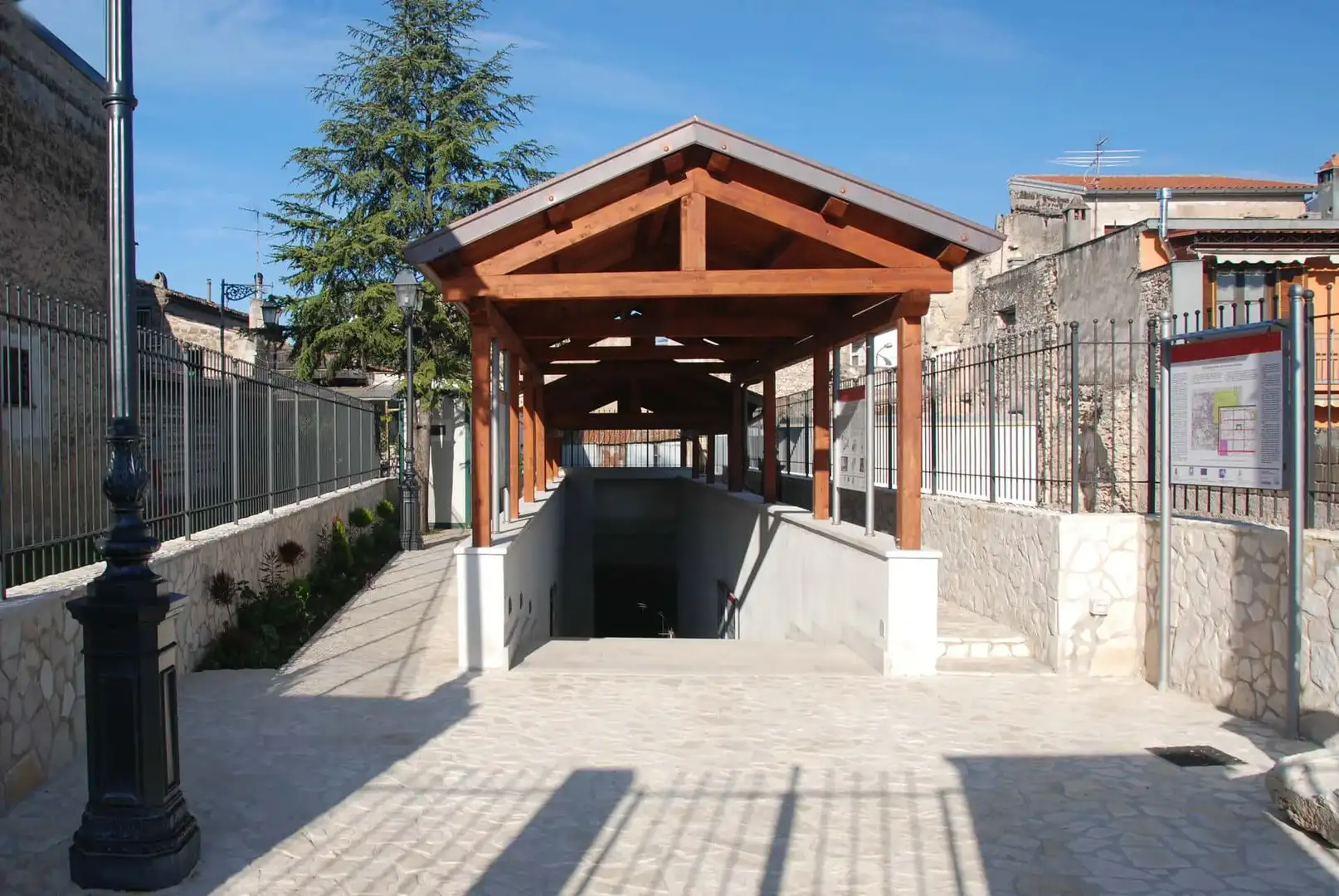
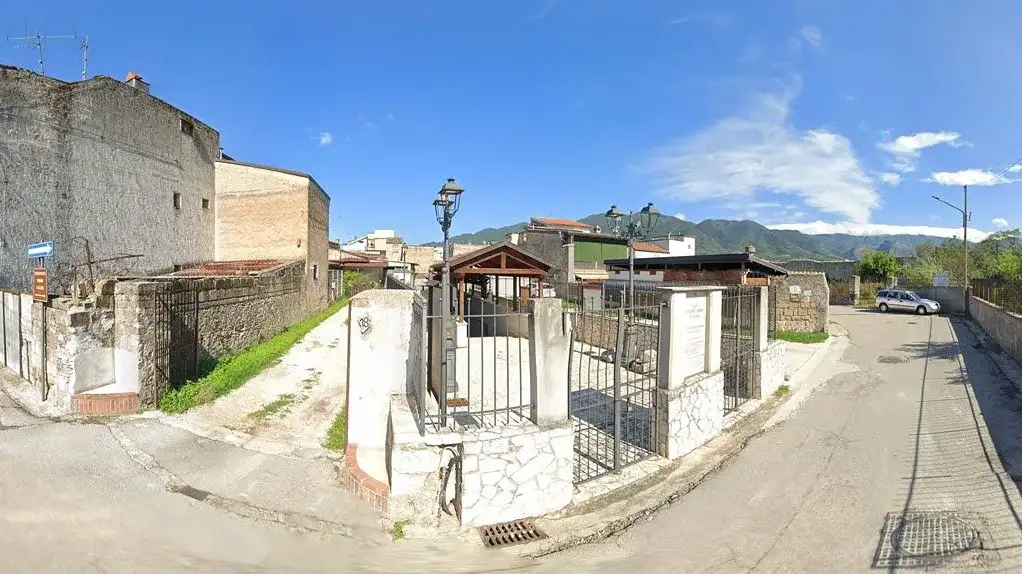
Il Criptoportico di Alife si trova nell'area Nord-Est della città, all'interno del perimetro delle mura romane. La sua esistenza era nota da tempo, ma solo le campagne di scavo condotte tra il 2007 e il 2008 ne hanno rivelato l'estensione e l'importanza.
Gli scavi sono stati condotti dall'Università Suor Orsola Benincasa di Napoli (direttore prof. Federico Marazzi) in collaborazione con la Soprintendenza per i Beni Archeologici di Napoli e Caserta, su progetto dell'Arch. Gabriele Venditti e dell'Ing. Antonio Ricigliano, con finanziamento su fondi POR.
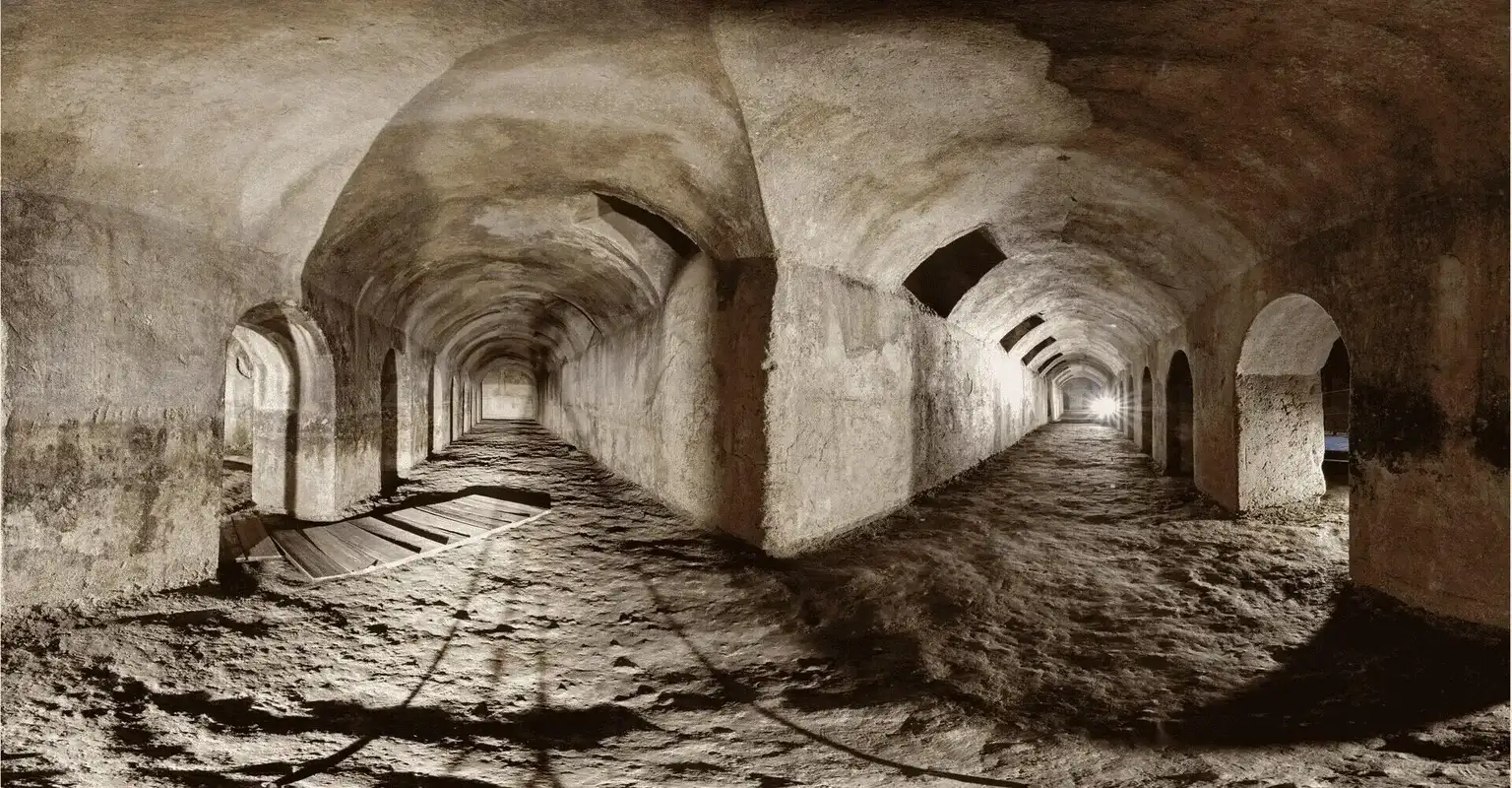
Uno dei corridoi del Criptoportico, testimone di quasi duemila anni di storia
L'Architettura del Complesso
Il Criptoportico di Alife si sviluppa come un sistema di gallerie sotterranee con volte a botte, costruite in opus latericium (mattone). Le dimensioni e la complessità della struttura suggeriscono che fosse la sostruzione di un edificio di grande rilevanza.
Le Ipotesi sulla Funzione
Secondo alcuni studiosi, il Criptoportico sarebbe la sostruzione della domus degli Aedii o dei Granii, le più importanti famiglie urbane di rango senatorio ad Alife. Altri ipotizzano che fosse parte di un edificio pubblico, forse collegato al vicino Foro Romano.
Quello che è certo è che la struttura doveva supportare un edificio di notevole importanza, vista la cura e la maestria con cui fu realizzato il complesso sotterraneo.
"Gli scavi hanno messo in luce non solo una struttura architettonica eccezionale, ma anche trecento strati di deposito diversi che testimoniano un'abitazione ininterrotta del sito per quasi duemila anni."
— Università Suor Orsola Benincasa, Napoli
300 Strati: dall'Età Augustea al Rifugio Antiaereo del XX Secolo
Uno dei ritrovamenti più significativi degli scavi è stato la scoperta di ben trecento strati diversi di deposito. Questo dato straordinario dimostra che il sito è stato abitato ininterrottamente per quasi due millenni, dall'età romana fino ai giorni nostri.
In questi strati sono stati rinvenuti:
Monete di diverse epoche, dalle emissione repubblicane a quelle medievali
Piccoli monili e oggetti della vita quotidiana
Lucerne in terracotta, alcune con decorazioni figurate
Ceramiche di vario tipo, dalle pregiate sigillate alle comuni ceramiche da cucina
Tutti questi reperti sono oggi conservati ed esposti presso il Museo Archeologico dell'Antica Allifae, dove è possibile ripercorrere la storia della città attraverso gli oggetti della vita quotidiana dei suoi antichi abitanti. Gli scavi hanno inoltre documentato che nel XX secolo alcune aree del complesso furono impiegate come rifugio antiaereo — ultima testimonianza di un luogo che, per duemila anni, non ha mai smesso di essere vissuto.
Vista panoramica delle gallerie del Criptoportico
Il Legame con Altri Monumenti
Il Criptoportico non è un elemento isolato nel tessuto urbano di Alife. La sua posizione, nell'area Nord-Est della città romana, lo colloca in relazione con altri importanti monumenti:
Il Foro Romano: il centro politico e commerciale della città
Le Terme: delle quali forse il criptoportico era una struttura di servizio
Il Teatro: di cui restano tracce negli elementi architettonici reimpiegati
Il vicino Mausoleo: forse pertinente alla stessa famiglia proprietaria del complesso
Le Campagne di Scavo
Le indagini archeologiche sul Criptoportico rientrano in un più ampio progetto di ricerca intitolato "Alife. Dalla colonia romana al gastaldato longobardo", volto a ricostruire le fasi post-classiche della città.
Il progetto ha visto la collaborazione tra:
Soprintendenza per i Beni Archeologici delle Province di Napoli e Caserta
Università Suor Orsola Benincasa di Napoli
Comune di Alife
Diocesi di Alife-Caiazzo
Dettaglio della muratura in opus latericium
Un Unicum in Campania: Perché il Criptoportico di Alife è Speciale
Il Criptoportico di Alife rappresenta una testimonianza eccezionale dell'architettura romana di età augustea in Campania. La sua conservazione e la ricchezza dei reperti rinvenuti lo rendono un unicum nel panorama archeologico regionale.
Per gli studiosi, il criptoportico offre una possibilità rara: quella di studiare non solo la struttura architettonica, ma anche l'evoluzione dell'insediamento urbano attraverso quasi duemila anni di storia ininterrotta.
Come Visitare
Il Criptoportico Romano di Alife è visitabile su prenotazione. Si consiglia di contattare il Museo Archeologico dell'Antica Allifae o la Soprintendenza per organizzare la visita guidata.
Per un'esperienza completa, si suggerisce di abbinare la visita al criptoportico con:
Il Museo Archeologico, dove sono esposti i reperti
L'Anfiteatro Romano, poco distante
Il Mausoleo degli Acilii, per completare il quadro dell'Alife romana
Domande Frequenti
Il Criptoportico di Alife è un sistema di gallerie sotterranee romane costruite in età augustea (I secolo a.C. / I secolo d.C.) nell'area nord-est del castrum romano. Le gallerie, con volte a botte in opus latericium (mattone), erano probabilmente la sostruzione di un edificio di rango superiore — forse la domus delle famiglie degli Aedii o dei Granii, le più importanti di Allifae. La funzione esatta è ancora dibattuta tra gli studiosi.
Gli scavi condotti dall'Università Suor Orsola Benincasa di Napoli (prof. Federico Marazzi) hanno rivelato 300 strati sovrapposti di deposito, testimonianza di una presenza umana ininterrotta per quasi duemila anni. Tra i reperti: monete dall'età repubblicana al Medioevo, lucerne in terracotta con decorazioni figurate, ceramiche sigillate e da cucina, piccoli monili. Nel XX secolo le gallerie furono usate come rifugio antiaereo. Tutti i reperti sono esposti al Museo Archeologico dell'Antica Allifae.
Il Criptoportico è visitabile su prenotazione. Si consiglia di contattare il Museo Archeologico dell'Antica Allifae (tel. 0823 787005) o la Soprintendenza per organizzare la visita guidata. Per un'esperienza completa, si suggerisce di abbinare la visita all'Anfiteatro Romano e al Mausoleo degli Acilii-Glabrioni, entrambi nelle vicinanze.
Il Criptoportico si trova nell'area nord-est di Alife, adiacente alla zona del Foro Romano. Alcuni studiosi ipotizzano che fosse una struttura di servizio del foro stesso, o parte di un complesso edilizio privato di rango senatorio affacciato sull'area forense. Il legame tra i due monumenti è confermato dalla tipologia dei materiali rinvenuti — ceramiche di pregio, monete — coerenti con un quartiere di alto livello sociale.
Beneath the modern streets of Alife lies a hidden ancient world: the Roman Cryptoporticus, a system of underground galleries that offers a unique window onto life in ancient Allifae. Built in the Augustan age, this subterranean complex continues to reveal its secrets to archaeologists.
What is a Cryptoporticus
The term cryptoporticus derives from the Latin crypta (covered gallery) and porticus (portico). These covered galleries, inherited from the Hellenistic world, were used by the Romans as covered passageways or service areas for large domus and public buildings.
These structures allowed usable spaces to be created even on sloping terrain; they served as warehouses, or provided shelter during excessively hot or rainy days. In many cases, as was probably true in Alife, they were the substructure of important buildings that rose at ground level above them.
The Discovery: the 2007–2008 Excavations in the North-Eastern Area
The Cryptoporticus of Alife is located in the north-eastern area of the city, within the perimeter of the Roman walls. Its existence had long been known, but only the excavation campaigns conducted between 2007 and 2008 revealed its full extent and importance.
The excavations were conducted by the University of Suor Orsola Benincasa of Naples (director Prof. Federico Marazzi) in collaboration with the Archaeological Superintendency of Naples and Caserta, on a project by Arch. Gabriele Venditti and Ing. Antonio Ricigliano, with funding from the POR regional development programme.
One of the corridors of the Cryptoporticus, witness to nearly two thousand years of history
The Architecture of the Complex
The Cryptoporticus of Alife develops as a system of underground galleries with barrel vaults, built in opus latericium (brick). The dimensions and complexity of the structure suggest that it was the substructure of a building of great significance.
Hypotheses about the Function
According to some scholars, the Cryptoporticus was the substructure of the domus of the Aedii or the Granii, the most important senatorial-rank families in Alife. Others hypothesise that it was part of a public building, perhaps connected to the nearby Roman Forum.
What is certain is that the structure must have supported a building of considerable importance, given the care and craftsmanship with which the underground complex was built.
"The excavations revealed not only an exceptional architectural structure, but also three hundred different layers of deposit, attesting to an uninterrupted occupation of the site for nearly two thousand years."
— University of Suor Orsola Benincasa, Naples
300 Layers: from the Augustan Age to the 20th-Century Air-Raid Shelter
One of the most significant discoveries of the excavations was the identification of no fewer than three hundred different deposit layers. This extraordinary figure demonstrates that the site was inhabited without interruption for nearly two millennia, from the Roman age to the present day.
Within these layers were found:
Coins from various periods, from republican to medieval issues
Small jewellery items and objects of daily life
Oil lamps in terracotta, some with figured decorations
Ceramics of various types, from fine sigillata wares to common kitchen pottery
All these finds are today preserved and displayed at the Archaeological Museum of Ancient Allifae, where it is possible to trace the history of the city through the everyday objects of its ancient inhabitants. The excavations also documented that in the 20th century some areas of the complex were used as an air-raid shelter — the last testimony of a place that, for two thousand years, has never ceased to be inhabited.
Panoramic view of the galleries of the Cryptoporticus
Links with Other Monuments
The Cryptoporticus is not an isolated element in the urban fabric of Alife. Its position in the north-eastern area of the Roman city places it in relation to other important monuments:
The Roman Forum: the political and commercial centre of the city
The Baths: of which the cryptoporticus was perhaps a service structure
The Theatre: traces of which remain in the reused architectural elements
The nearby Mausoleum: perhaps belonging to the same family that owned the complex
The Excavation Campaigns
The archaeological investigations at the Cryptoporticus form part of a broader research project entitled "Alife. From the Roman Colony to the Lombard Gastaldate", aimed at reconstructing the post-classical phases of the city.
The project involved collaboration between:
Archaeological Superintendency of the Provinces of Naples and Caserta
University of Suor Orsola Benincasa, Naples
Municipality of Alife
Diocese of Alife-Caiazzo
Detail of the opus latericium masonry
A Unique Monument in Campania: Why the Cryptoporticus of Alife is Special
The Cryptoporticus of Alife represents an exceptional testimony to Roman architecture of the Augustan age in Campania. Its state of preservation and the richness of the finds make it a unique monument in the regional archaeological landscape.
For scholars, the cryptoporticus offers a rare opportunity: the chance to study not only the architectural structure, but also the evolution of urban settlement across nearly two thousand years of uninterrupted history.
How to Visit
The Roman Cryptoporticus of Alife is open to visitors by appointment. It is recommended to contact the Archaeological Museum of Ancient Allifae or the Superintendency to arrange a guided visit.
For a complete experience, it is suggested to combine the visit to the cryptoporticus with:
The Archaeological Museum, where the finds are displayed
The Roman Amphitheatre, nearby
The Mausoleum of the Acilii, to complete the picture of Roman Alife
Frequently Asked Questions
The Cryptoporticus of Alife is a system of Roman underground galleries built in the Augustan age (1st century BC / 1st century AD) in the north-eastern area of the Roman castrum. The galleries, with barrel vaults in opus latericium (brick), were probably the substructure of a higher-ranking building — perhaps the domus of the Aedii or Granii families, the most important in Allifae. The exact function is still debated among scholars.
The excavations conducted by the University of Suor Orsola Benincasa of Naples (Prof. Federico Marazzi) revealed 300 superimposed layers of deposit, evidence of uninterrupted human presence for nearly two thousand years. Among the finds: coins from the republican period to the Middle Ages, terracotta oil lamps with figured decorations, sigillata and kitchen ceramics, small jewellery items. In the 20th century the galleries were used as an air-raid shelter. All finds are displayed at the Archaeological Museum of Ancient Allifae.
The Cryptoporticus is open to visitors by appointment. It is recommended to contact the Archaeological Museum of Ancient Allifae (tel. 0823 787005) or the Superintendency to arrange a guided visit. For a complete experience, it is suggested to combine the visit with the Roman Amphitheatre and the Mausoleum of the Acilii-Glabriones, both nearby.
The Cryptoporticus is located in the north-eastern area of Alife, adjacent to the zone of the Roman Forum. Some scholars hypothesise that it was a service structure of the forum itself, or part of a private senatorial-rank building complex facing the forum area. The connection between the two monuments is confirmed by the type of materials found — fine ceramics, coins — consistent with a high-status social quarter.